

Developing Self-Awareness | Kerri Jarrett, Trichology and Epigeentics
Self-awareness is the ability to understand your thoughts, feelings, and actions, and how they affect you and those around you. It is an important skill to develop, as it helps you better understand your strengths and weaknesses, make better decisions, and improve your relationships with others.
Self-awareness matters for several reasons. For starters, it can help you make more informed decisions. By understanding your own thoughts and feelings, you can identify biases and assumptions that may be clouding your judgement. This can help you make better choices and avoid potentially harmful outcomes.
Self-awareness can also help you identify areas for personal growth and development. When you know your strengths and weaknesses, you can focus on improving the areas where you lack. This can help you build your confidence and achieve your goals.
Finally, self-awareness can improve your relationships with others. When you understand your emotions and how they affect others, you can be more considerate and empathetic. This can lead to stronger, healthier relationships and more positive interactions.
There are many ways to develop self-awareness. One common method is to practice mindfulness. Mindfulness involves paying attention to your thoughts, feelings, and surroundings without judgement. By focusing on the present moment, you can become more aware of your own thoughts and emotions.
Another way to develop self-awareness is to seek feedback from others. Ask people you trust for honest feedback about your behaviour and how it impacts them. This can help you identify blind spots and areas for improvement.
Here are some examples of how self-awareness can play out in different situations:
A self-aware manager may recognize that they tend to micromanage their team members. By understanding the impact this has on their team, they can work to delegate more effectively and trust their team members to do their jobs.
A self-aware student may recognize that they struggle with procrastination. By understanding the reasons behind this behaviour, they can develop strategies to manage their time more effectively and improve their grades.
A self-aware partner may recognize that they tend to be defensive during arguments. By understanding how this impacts their partner, they can work on being more open and receptive during difficult conversations.
Self-awareness is an important skill to develop in order to make better decisions, identify areas for personal growth, and improve your relationships with others. By practicing mindfulness and seeking feedback, you can become more aware of your own thoughts, feelings, and behaviours and take steps to improve them.
Body Self-Awareness
Body self-awareness cues or triggers are physical sensations or changes that indicate how you feel in the present moment. These cues can help you tune into your body and become more aware of your emotions and physical sensations.
Muscle tension: If you feel tension or tightness in your muscles, it may indicate stress or anxiety. Deep breathing or stretching can help you relax and release the tension.
Racing heart rate: If you notice that your heart rate is elevated, it may indicate that you are feeling nervous or excited. Taking some deep breaths and focusing on slowing down your breathing can help calm your nerves.
Stomach discomfort: If you experience stomach discomfort, it may indicate that you are feeling anxious or stressed. Taking time for deep breathing exercises or meditation can help calm your nerves and reduce stomach discomfort.
Clenched jaw or grinding teeth: If you notice that your jaw is clenched or you are grinding your teeth, it may indicate that you are feeling angry or frustrated. Taking some time to relax and release tension in your jaw can help you manage your emotions.
Shallow breathing: If you notice that you are breathing shallowly, it may indicate that you are feeling anxious or stressed. Focusing on taking slow, deep breaths can help you relax and reduce your anxiety.
Sweating: If you notice that you are sweating, it may indicate that you are feeling nervous or anxious. Taking time to relax and do deep-breathing exercises can help calm your nerves and reduce sweating.
Headaches or migraines: If you experience headaches or migraines, it may indicate that you are feeling stressed or overwhelmed. Taking time to relax and do deep breathing exercises can help reduce stress and prevent headaches.
Here are some additional mental self-awareness questions or triggers to be aware of:
Am I being mindful of my thoughts and emotions in the present moment?
How does my mental state affect my physical body?
How do I respond to challenges and setbacks?
Am I taking care of my mental health, such as getting enough sleep, exercise, and social connection?
What are my personal biases or assumptions, and how do they affect my thoughts and actions?
How do I handle stress and pressure?
Am I open to feedback and willing to learn and grow?
What are my patterns of self-sabotage or negative self-talk, and how can I shift them to more positive and empowering beliefs?
Interested in learning more about self-awareness and intuition?
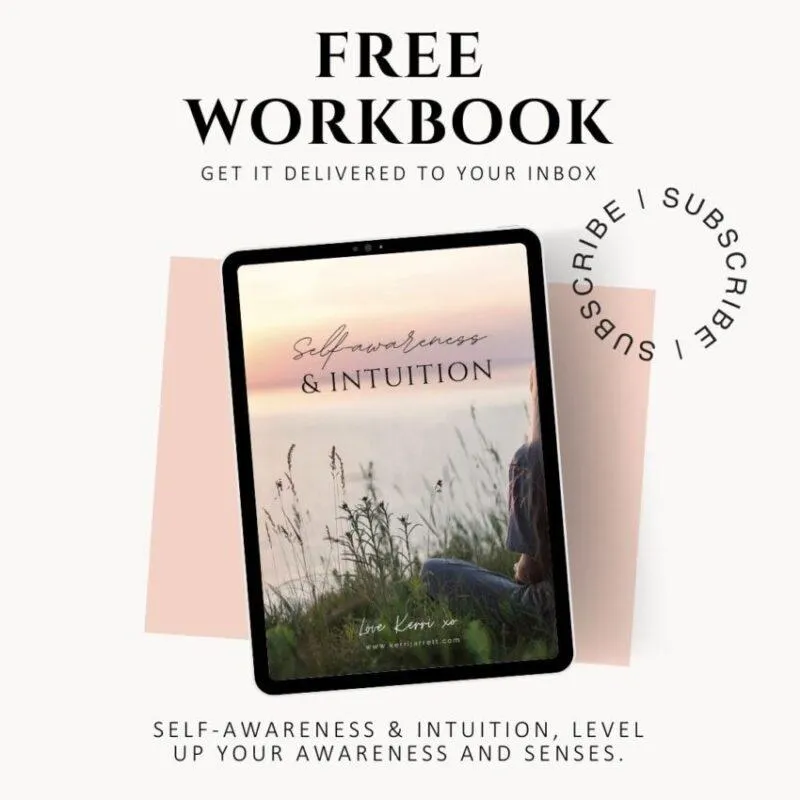
I invite you to check out my eWorkbook, “The Power of Self-Awareness and Intuition.” In this workbook, you will learn:
How to develop your self-awareness
How to use your intuition to make better decisions
How to overcome challenges and achieve your goals
Click the image below to get your free access. This offer is only available for a limited time, so don’t miss out!
I hope you enjoy the workbook and find it helpful in your journey to self-awareness and intuition.


